

Grooming is an essential aspect of pet care that goes far beyond aesthetics; it’s a vital part of maintaining your pet’s health and well-being. Yet, with the vast array of dog breeds, each boasting unique coats and grooming requirements, it can be challenging for pet owners to determine how often their furry friends should be groomed. In this article, we will delve into the diverse grooming needs of different breeds, offering guidance and insights to help you tailor a grooming routine that keeps your pet comfortable, healthy, and looking their best. Whether you’re a seasoned pet owner or new to the joys of canine companionship, understanding the specific grooming needs of your dog’s breed is key to ensuring their happiness and vitality. Join us as we explore the factors that influence grooming frequency and share practical tips to make grooming a rewarding experience for both you and your pet.
Tailoring Grooming Schedules for Short-Haired Breeds
Short-haired breeds, while often perceived as low-maintenance, still require regular grooming to maintain their coat’s health and shine. These breeds, such as Beagles, Boxers, and Dachshunds, generally have a sleek coat that can easily collect dust and debris. Regular grooming helps to remove loose hair, distribute natural oils, and check for any skin issues.
- Weekly Brushing: Even though their coats are shorter, a weekly brush using a rubber curry brush or a bristle brush can help keep shedding under control and stimulate the skin.
- Monthly Bathing: Short-haired dogs benefit from a bath every month or two. Use a mild dog shampoo to avoid stripping essential oils from their skin.
- Regular Ear and Nail Care: Don’t forget to check their ears for debris and trim their nails every few weeks to ensure comfort and prevent overgrowth.
While short-haired breeds may not require the extensive grooming routines of their long-haired counterparts, these regular practices ensure they stay healthy and comfortable. By tailoring your grooming schedule to meet these needs, you ensure your furry friend remains in top shape.
Mastering the Art of Grooming for Long-Haired Breeds
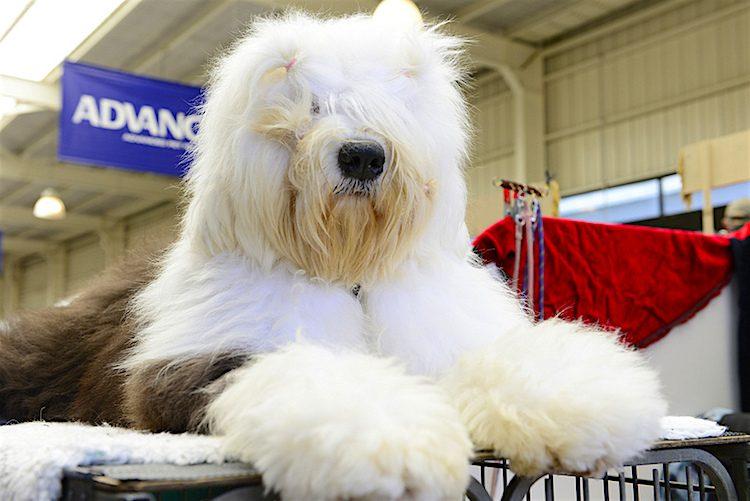
Long-haired breeds, with their flowing locks and majestic appearance, require a dedicated grooming regimen to keep their coats in top condition. Regular grooming not only maintains their beauty but also ensures their comfort and health. Consistency is key for these breeds, and understanding the specific needs of each can make all the difference.
For breeds such as Afghan Hounds, Shih Tzus, and Yorkshire Terriers, consider the following essential grooming tasks:
- Brushing: Daily brushing is crucial to prevent matting and tangles, which can lead to skin irritation.
- Bathing: Aim for a bath every 3-4 weeks, using a gentle shampoo to maintain their coat’s natural oils.
- Trimming: Regular trimming every 6-8 weeks helps manage the length and health of their coat, focusing on areas prone to tangles like ears and tails.
- Ear Cleaning: Long-haired breeds often have floppy ears that can trap moisture, so weekly cleaning is recommended to prevent infections.
With a little patience and the right tools, you can transform grooming from a chore into a bonding experience that leaves your pet looking and feeling fabulous.
Navigating Seasonal Shedding: Special Considerations for Double-Coated Breeds
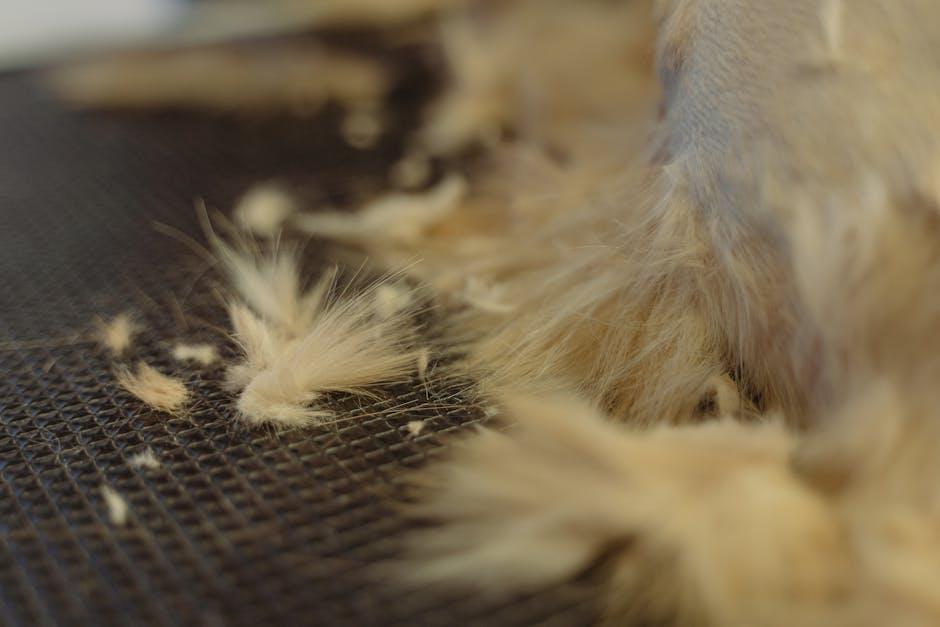
For pet parents with double-coated breeds, the change of seasons can mean an uptick in shedding and grooming needs. These breeds, which include beloved companions like Huskies, Golden Retrievers, and Akitas, have a dense undercoat beneath a protective topcoat. This dual-layered fur is nature’s way of offering insulation against both cold and heat. However, it also requires some special attention, especially during spring and fall when shedding is at its peak.
Here are some key considerations to help manage seasonal shedding effectively:
- Regular Brushing: Invest in a high-quality slicker brush or an undercoat rake. Regular brushing, ideally several times a week, helps remove loose hairs and prevents matting.
- Bathing: While frequent bathing isn’t necessary, a bath during shedding season can help loosen dead fur. Use a gentle, moisturizing shampoo to maintain coat health.
- Professional Grooming: Consider scheduling a professional grooming session during peak shedding times. Groomers have the tools and expertise to manage the undercoat efficiently.
By understanding the unique needs of double-coated breeds, you can help your furry friend stay comfortable and keep your home a bit more fur-free!
Understanding the Unique Grooming Needs of Hypoallergenic Breeds
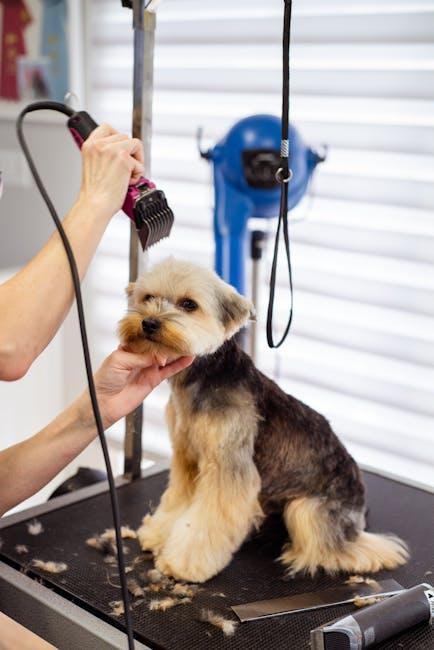
When it comes to grooming hypoallergenic breeds, it’s important to recognize their distinct requirements. These breeds, often sought after for their low-shedding coats, require regular attention to maintain their unique fur characteristics. Hypoallergenic dogs like Poodles, Bichon Frises, and Portuguese Water Dogs have hair that continuously grows and needs regular trimming to prevent matting and tangling. Frequent grooming sessions, ideally every 4 to 6 weeks, help manage their coat and reduce allergens.
- Brushing: Daily brushing is essential to keep their curly or wavy coats free of tangles.
- Bathing: Regular baths, approximately every month, help keep their skin healthy and reduce allergens.
- Trimming: Professional grooming is recommended every 4-6 weeks to maintain coat length and shape.
- Ear Care: Regular ear checks and cleaning prevent infections common in breeds with floppy ears.
By understanding and adhering to these grooming needs, owners of hypoallergenic breeds can ensure their furry friends stay comfortable, healthy, and happy. Embracing a consistent grooming routine not only benefits the pet but also enhances the living environment for allergy-prone family members.
