
Caring for a dog is a rewarding journey filled with wagging tails and heartwarming moments. Yet, amid the joy and companionship, lies the responsibility of maintaining your furry friend’s health and happiness. One key aspect of this is grooming, an essential routine that goes beyond aesthetics, contributing significantly to your dog’s overall well-being. However, determining the right grooming frequency can be as varied as the breeds themselves. From the silky coats of Afghan Hounds to the dense fur of Huskies, each breed has unique grooming needs. In this guide, we will explore how to tailor your grooming routine to suit your dog’s specific breed, ensuring their coat remains healthy and their spirits high. Whether you’re a seasoned dog owner or a new pet parent, this article aims to equip you with the knowledge to keep your canine companion looking and feeling their best.
Understanding Your Dogs Coat Type
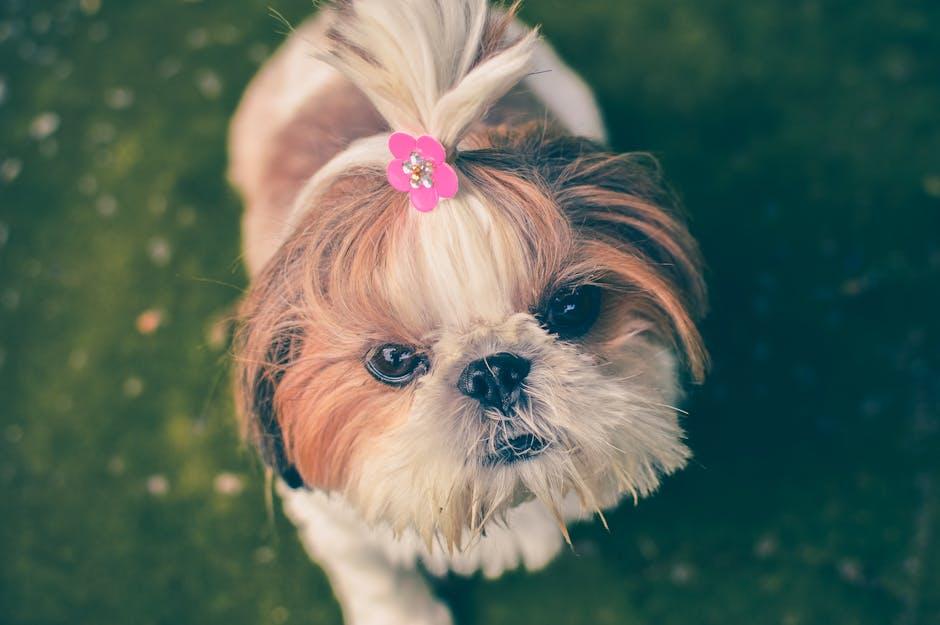
Each breed of dog boasts a unique coat type, which plays a significant role in determining how often they need grooming. Short-haired breeds, like Beagles and Boxers, have sleek, low-maintenance coats that typically require less frequent grooming. A simple brush once a week can suffice, keeping their fur shiny and reducing shedding. On the other hand, long-haired breeds such as Shih Tzus and Afghan Hounds demand more attention. Their luxurious locks can easily become tangled and matted if not brushed daily. Regular trims every 4-6 weeks can also help manage their coat length and health.
- Double-coated breeds: Dogs like Golden Retrievers and Huskies have a dense undercoat beneath their top layer of fur. These breeds benefit from seasonal shedding and should be brushed more frequently during these times to help remove loose fur and prevent matting.
- Curly-coated breeds: Poodles and Bichon Frises have coats that don’t shed in the traditional sense. Their curls can trap loose hair, so a grooming schedule of every 4-6 weeks is recommended to maintain their coat’s texture and prevent mats.
Understanding your dog’s coat type not only aids in setting a grooming schedule but also enhances your bond with your pet through regular care and attention.
Tailoring Grooming Routines to Activity Levels
Understanding the relationship between a dog’s activity level and their grooming needs can make a significant difference in maintaining their health and happiness. Dogs with high activity levels, such as those involved in agility training or regular outdoor adventures, may require more frequent grooming. This is because they are more likely to pick up dirt, debris, and even parasites. Regular brushing helps to remove these unwanted hitchhikers and also reduces the risk of matting, especially in breeds with longer coats. On the other hand, less active dogs might not need such frequent attention. However, this doesn’t mean they should be neglected; their grooming routine might focus more on nail trimming and ear cleaning.
Here are some key points to consider when tailoring grooming routines:
- High-Energy Breeds: Consider weekly baths and daily brushing, especially for breeds like Border Collies and Siberian Huskies.
- Moderately Active Breeds: Breeds such as Beagles and Bulldogs may benefit from bi-weekly grooming sessions, focusing on brushing and checking for skin issues.
- Low-Activity Breeds: For breeds like Basset Hounds and Pugs, monthly grooming might suffice, with an emphasis on dental care and nail maintenance.
Each dog’s needs are unique, so it’s important to observe their individual habits and adjust their grooming schedule accordingly.
Seasonal Grooming Tips for Healthy Fur
Keeping your furry friend’s coat in top shape requires understanding the specific needs of their breed. Different breeds have varying grooming requirements, and adjusting your routine according to the season can significantly impact your dog’s fur health. As a general guideline, short-haired breeds like Beagles and Boxers may only need weekly brushing to remove loose hair and distribute natural oils, while long-haired breeds such as Collies and Shih Tzus often require daily brushing to prevent tangles and mats.
- Double-coated breeds like Huskies and Golden Retrievers benefit from more frequent grooming during shedding seasons in spring and fall. A thorough brush-out every few days helps manage shedding and maintain a clean coat.
- Single-coated breeds, including Poodles and Bichon Frises, often need regular trims every 4-6 weeks to prevent their hair from becoming unmanageable.
- Seasonal changes can also affect grooming needs. In winter, when the air is drier, incorporating a moisturizing conditioner during baths can help prevent skin dryness.
Remember, grooming is not just about appearance; it’s an opportunity to bond with your dog and monitor their health. Regular checks for skin irritations, fleas, and ticks during grooming sessions can help catch potential issues early.
Professional Grooming vs. At-Home Care
Choosing between professional grooming and at-home care depends on several factors, including your dog’s breed, coat type, and temperament. Professional grooming offers expertise, specialized tools, and a thorough cleaning that might be difficult to achieve at home. It is particularly beneficial for breeds with intricate grooming needs, such as Poodles, Bichon Frises, and Afghan Hounds, who require regular clipping and styling. Additionally, professional groomers can help identify potential health issues like skin conditions or ear infections early on.
On the other hand, at-home care allows for more frequent and personalized attention. It can be a cost-effective and bonding experience for you and your pet, especially for breeds with less demanding grooming needs. Consider these tips for at-home grooming:
- Brush regularly to prevent matting, especially for long-haired breeds.
- Bathe as needed but avoid over-bathing to prevent skin dryness.
- Trim nails carefully to avoid discomfort and health issues.
- Check ears and teeth to maintain overall health.
Balancing professional grooming with at-home maintenance ensures that your furry friend stays clean, comfortable, and happy. Tailor your approach based on your dog’s specific needs and always prioritize their comfort and safety.
