
Exploring the breathtaking landscapes and diverse ecosystems of our national parks is a cherished experience for many nature enthusiasts. These natural sanctuaries offer a unique opportunity to connect with the environment, providing a refuge for countless species and a tranquil escape for visitors. As more people seek to share these adventures with their beloved pets, a growing conversation has emerged around the impact of pet access on park preservation. Balancing the joy of exploring with pets and the responsibility of safeguarding these pristine environments is a delicate task. This article delves into the heart of this discussion, examining the benefits and challenges of pet access in national parks and exploring whether limitations are necessary to preserve these treasured spaces for future generations. Join us as we navigate this important topic with warmth and insight, seeking solutions that honor both our furry companions and the natural wonders they accompany us to explore.
Understanding the Impact of Pets on National Park Ecosystems
Pets, while cherished companions, can inadvertently disrupt the delicate balance of national park ecosystems. Their presence may lead to several unintended consequences, including the introduction of non-native species, disturbances to local wildlife, and potential damage to sensitive vegetation. Native animals may alter their behaviors in response to the scents and sounds of domestic pets, which can interfere with their natural foraging, mating, and nesting activities. Moreover, pet waste, even when biodegradable, can contribute to nutrient imbalances in these pristine environments.
- Disruption of Wildlife: Pets can chase or scare away native animals, impacting their natural habits and leading to stress or displacement.
- Introduction of Diseases: Domestic animals can carry diseases or parasites that may be harmful to native wildlife.
- Trail and Vegetation Damage: Pets wandering off designated paths can trample on fragile plant life, leading to erosion and habitat degradation.
Balancing the joy of exploring the great outdoors with pets and the need to preserve these natural treasures calls for a thoughtful approach. By understanding the potential impacts, park-goers can make informed decisions that support conservation efforts while still enjoying the companionship of their furry friends.

Balancing Visitor Experience with Wildlife Preservation
In the heart of our national parks, the challenge of harmonizing visitor enjoyment with the essential task of wildlife conservation is ever-present. Pets, particularly dogs, are cherished companions, yet their presence in these protected areas can inadvertently disrupt local ecosystems. Dogs, with their natural instincts, can disturb native fauna, introducing stress and altering behaviors critical for survival. This is especially pertinent during sensitive periods like nesting or breeding seasons.
Implementing thoughtful restrictions can be a way to strike a balance. Here are some measures that can be considered:
- Designated Pet Zones: Establish specific areas where pets are welcome, ensuring they can enjoy the park without impacting more sensitive regions.
- Leash Regulations: Enforce strict leash laws to minimize wildlife disturbance and protect both pets and local fauna.
- Educational Campaigns: Inform visitors about the impact of pets on wildlife, fostering a culture of respect and awareness.
- Monitoring and Feedback: Regularly assess the impact of pet access policies and adjust as necessary based on ecological and visitor feedback.
By adopting these strategies, national parks can create a welcoming environment for all visitors, while ensuring the preservation of their delicate ecosystems.
Guidelines for Responsible Pet Visits in Natural Reserves
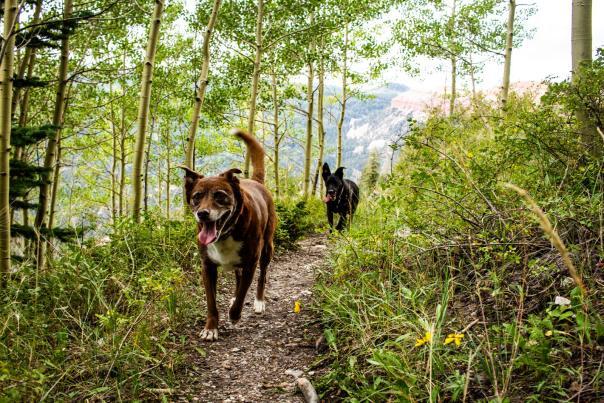
To ensure that our beloved pets and the natural ecosystems of our national parks coexist harmoniously, it’s crucial to follow some key guidelines. Keep pets leashed at all times to prevent them from disturbing wildlife or wandering off trails. This not only protects the local fauna but also ensures the safety of your pet. Stay on designated trails to minimize environmental impact and reduce the risk of trampling delicate plant life. It’s important to remember that off-trail areas are often home to fragile ecosystems that can be easily disrupted.
Additionally, always clean up after your pet to maintain the pristine condition of the park. Pet waste can introduce harmful bacteria and nutrients into the environment, disrupting local flora and fauna. Respect seasonal restrictions and area-specific rules, as some parts of the parks may be particularly sensitive during certain times of the year. be mindful of other visitors and wildlife by maintaining a respectful distance and keeping noise to a minimum. By following these guidelines, we can all enjoy the beauty of our natural reserves responsibly and ensure their preservation for future generations.
Collaborative Solutions for Sustainable Pet Policies in Parks
Balancing the enjoyment of pet owners with the ecological integrity of national parks is a task that requires innovative and inclusive strategies. Collaborative solutions involving park officials, environmentalists, and the pet-owning community can help establish guidelines that protect natural habitats while allowing pets to accompany their owners. Key considerations might include:
- Designated pet-friendly zones where ecosystems are less vulnerable.
- Mandatory leashing and waste disposal policies to minimize wildlife disturbances.
- Educational programs for visitors on the impacts of pets on local flora and fauna.
By working together, we can create a sustainable approach that respects both the environment and the cherished bond between people and their pets. These community-driven efforts ensure that our treasured natural spaces remain vibrant and accessible for future generations.
