

Exploring the great outdoors with your furry companion can be one of life’s most rewarding experiences. National parks, with their breathtaking landscapes and diverse ecosystems, offer the perfect backdrop for adventure and discovery. However, as a pet owner, it’s essential to navigate the rules and restrictions in place to protect both your pet and the natural environment. In this friendly guide, we’ll delve into the pet policies of national parks, providing you with the knowledge you need to plan a safe and enjoyable visit. Whether you’re a seasoned hiker or a casual nature lover, understanding these guidelines will ensure a harmonious experience for you, your pet, and the park’s pristine wilderness.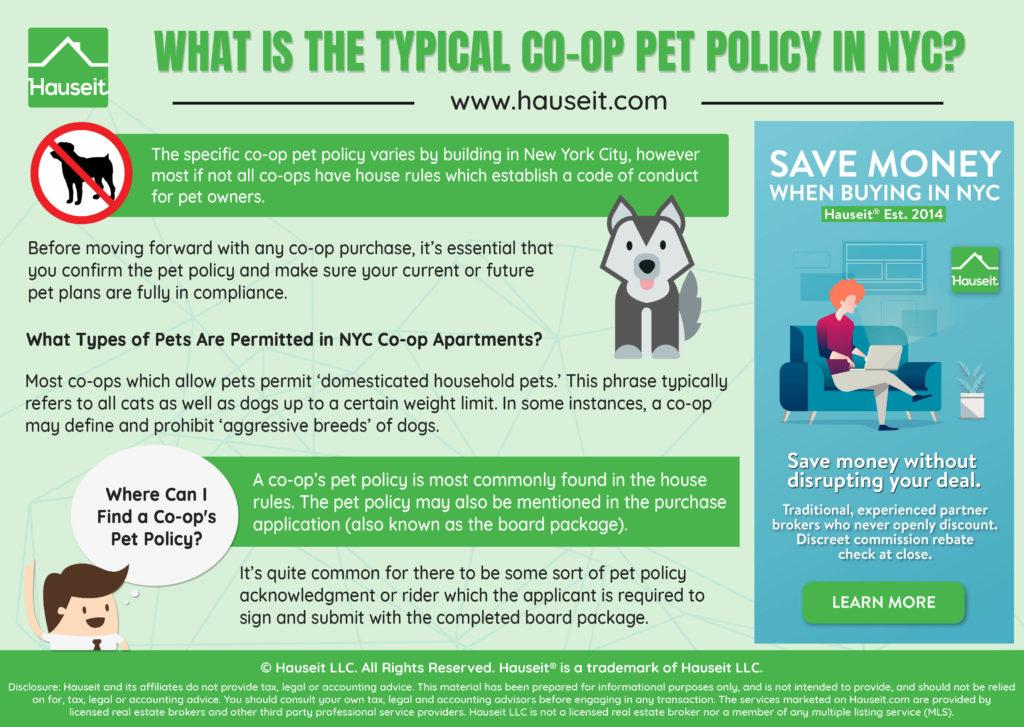 Pet Policies in National Parks“>
Understanding the Rules: Navigating Pet Policies in National Parks
When it comes to visiting national parks with your furry companions, understanding the guidelines can significantly enhance your adventure. Each national park has its own set of rules regarding pets, often aimed at protecting the natural ecosystem and ensuring a pleasant experience for all visitors. Before setting out on your journey, make sure to check the specific regulations of the park you plan to visit. This can usually be found on the park’s official website or by contacting their visitor center. Here are some common rules you might encounter:
- Leash Requirement: Most parks require pets to be on a leash no longer than six feet at all times. This helps in maintaining control and preventing wildlife disturbances.
- Trail Restrictions: Pets are often restricted from hiking trails and backcountry areas to preserve the natural habitat and ensure safety.
- Designated Areas: Some parks provide specific areas where pets are allowed, such as campgrounds, picnic areas, and certain roads.
- Waste Disposal: Always carry waste bags and dispose of your pet’s waste in designated trash bins to keep the park clean.
By adhering to these guidelines, you help protect the wildlife and landscapes that make these parks special. Remember, a little preparation goes a long way in making your visit both enjoyable and responsible.
Choosing the Right Park: Finding Pet-Friendly Destinations
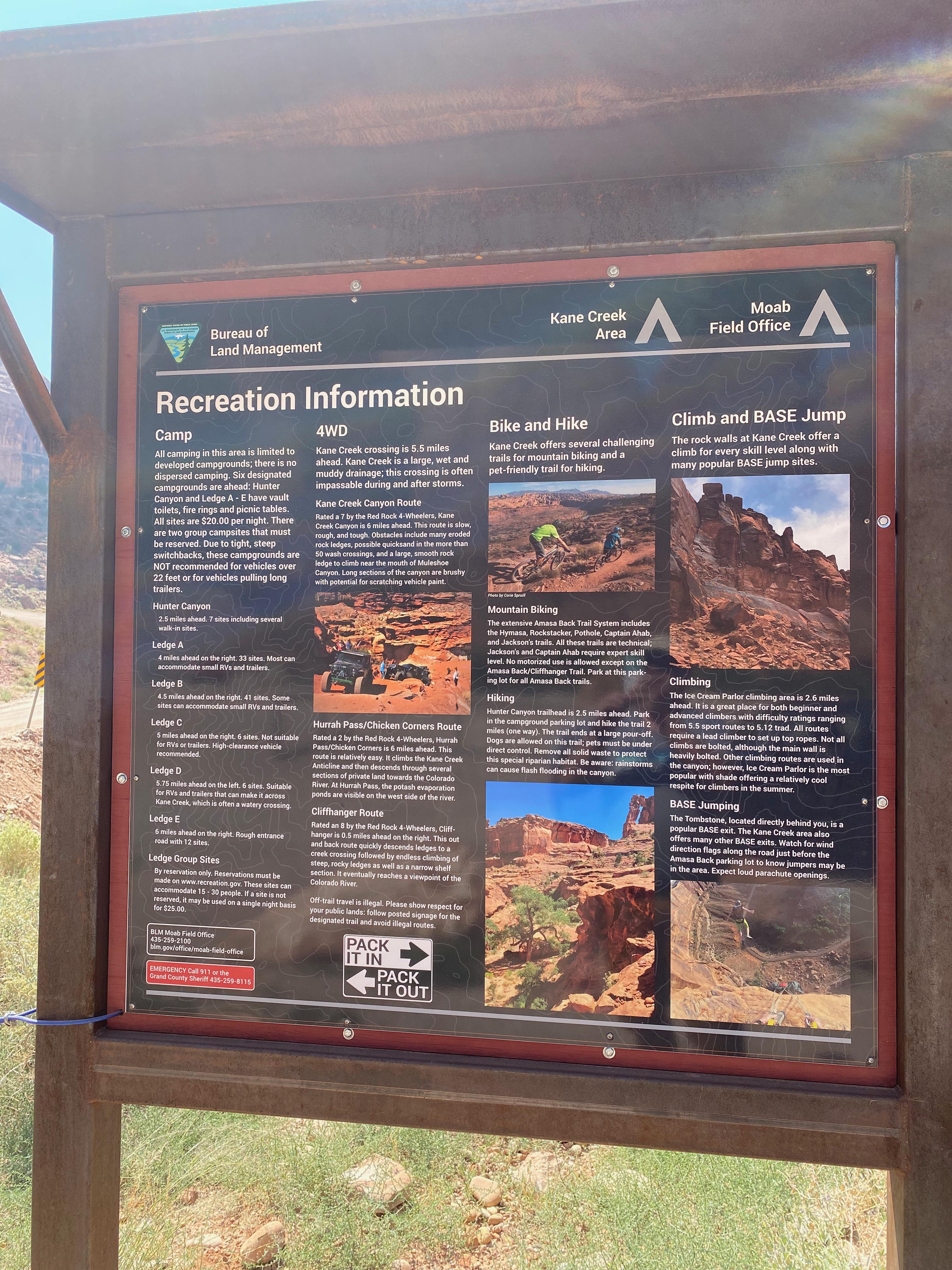
When planning a trip with your furry companion, it’s essential to ensure that the national park you choose is welcoming to pets. Researching pet policies beforehand can save you both time and potential disappointment. Here are a few things to consider when selecting a park:
- Leash Requirements: Many parks require pets to be on a leash at all times. Be sure to check the length restrictions, as some parks specify a maximum leash length.
- Trail Access: Some parks offer designated pet-friendly trails. It’s wise to review which paths are accessible for your pet to ensure they can enjoy the adventure with you.
- Pet Amenities: Look for parks that provide pet-friendly facilities such as waste disposal bags, water stations, or even dog-friendly campsites.
- Seasonal Restrictions: Certain parks may have seasonal rules that affect where pets can roam. It’s important to be aware of any time-sensitive restrictions that might impact your visit.
By considering these factors, you can find a national park that not only meets your needs but also provides a delightful experience for your pet. With a little planning, both you and your furry friend can embark on an unforgettable adventure.
Preparing for Your Adventure: Essential Gear and Tips for Pet Owners
Embarking on a national park adventure with your furry friend requires some thoughtful preparation. First and foremost, ensure you have the right gear to keep your pet comfortable and safe. This includes a sturdy leash, a portable water bowl, and an ID tag with updated contact information. Don’t forget a pet first-aid kit for any unexpected scrapes or injuries, and always pack enough food and treats to keep their energy up throughout the day.
- Leash and Harness: Opt for a comfortable harness to prevent pulling and ensure your pet’s safety on trails.
- Water and Food: Keep your pet hydrated and nourished with a collapsible water bowl and enough food for the entire trip.
- ID Tags: Ensure your pet’s ID tag is updated with your current contact details.
- First-Aid Kit: A small kit tailored for pets can be a lifesaver in emergencies.
Before setting off, check the specific pet regulations of the park you plan to visit. Many parks have designated pet-friendly areas, while others might have restrictions to protect wildlife and natural habitats. Being informed about these rules will help you avoid any fines and ensure a stress-free outing. Remember, a little preparation goes a long way in creating memorable experiences for both you and your beloved pet.
Respectful Exploration: Ensuring a Safe and Enjoyable Experience for All
When venturing into the stunning landscapes of national parks, it’s essential to balance your love for nature with respect for the environment and fellow visitors. One way to achieve this is by understanding and adhering to pet restrictions. These rules are not just about limiting where your furry friends can go; they’re about preserving the delicate ecosystems and ensuring the safety and enjoyment of everyone in the park.
To make your visit as smooth as possible, consider the following tips:
- Research in Advance: Before your trip, check the specific pet policies of the national park you’re visiting. Each park has its own set of guidelines that can vary widely.
- Leash Up: Keep your pet on a leash at all times, usually no longer than six feet. This helps protect wildlife and prevents your pet from wandering off or getting into dangerous situations.
- Respect Designated Areas: Many parks offer designated pet-friendly trails and areas. Stick to these zones to ensure you and your pet can enjoy the beauty of nature without disturbing wildlife.
- Leave No Trace: Always clean up after your pet. Carry waste bags and dispose of them in designated trash bins to keep the park pristine for others.
By following these guidelines, you’ll be contributing to a respectful exploration experience that honors both the natural world and the community of park visitors. Your efforts help maintain the harmony of these cherished spaces, ensuring they remain a safe haven for all who enter.
