

Title:
Introduction:
The natural beauty of national parks serves as a refuge not only for diverse pets-on-the-go/” title=”Seizure-Safe Travel: Tips for Pets on the Go”>wildlife and pristine landscapes but also for countless visitors seeking solace and adventure. As more people embrace the companionship of pets, the question of whether these furry friends should accompany their owners into national parks has sparked a lively debate. On one side, pet owners advocate for inclusive experiences that allow their beloved animals to share in the joys of nature. On the other, conservationists and park officials emphasize the need to protect fragile ecosystems and ensure the safety of both wildlife and visitors. This article seeks to provide a balanced view on the topic, exploring the various perspectives and considerations that come into play when discussing the presence of pets in these cherished natural sanctuaries. Join us as we navigate this complex issue with warmth and understanding, aiming to illuminate the path toward a harmonious coexistence between pets, people, and nature.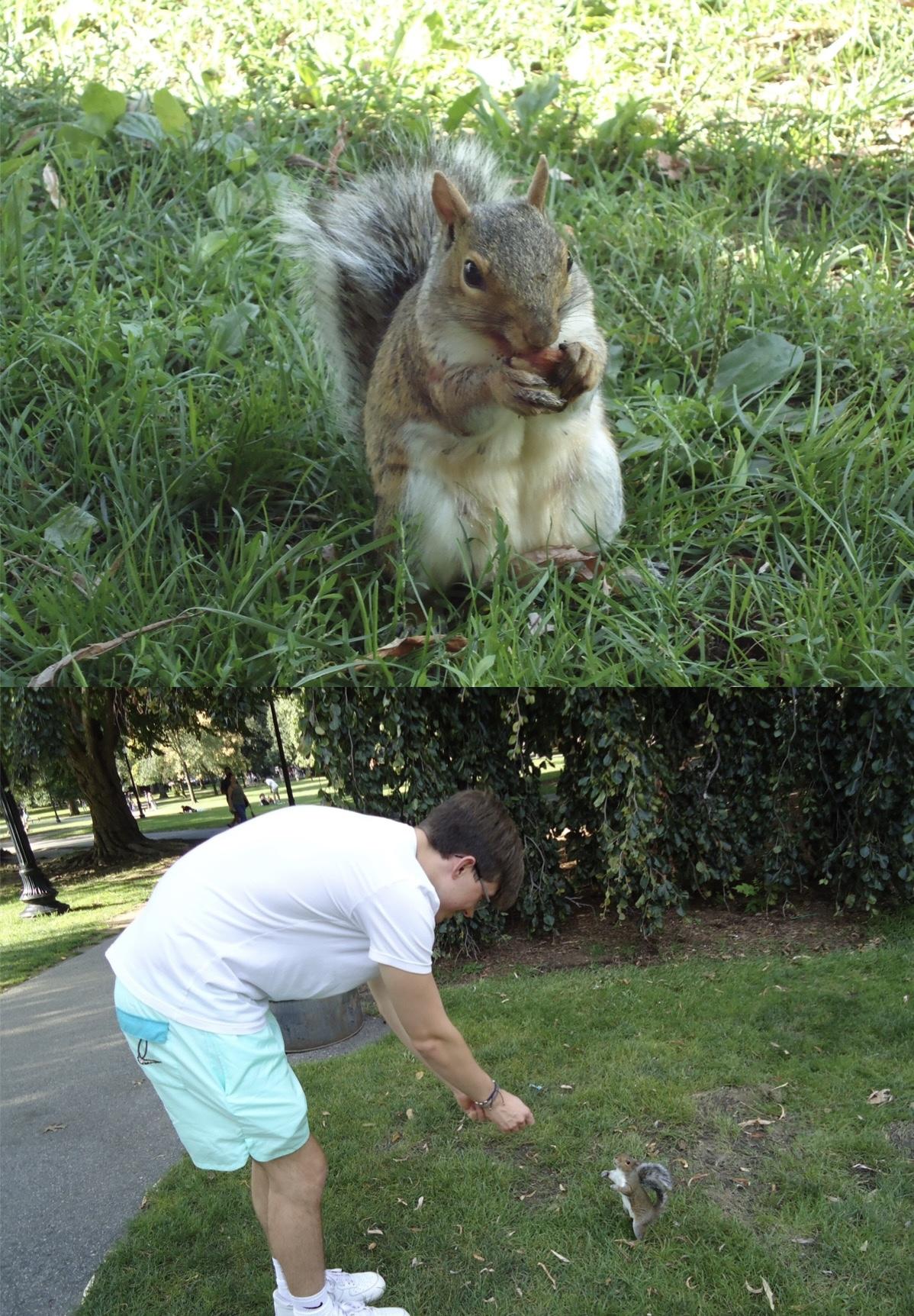
Understanding the Concerns: Wildlife, Ecosystems, and Pets
When considering the integration of pets into national parks, it’s essential to address the intricate balance between wildlife conservation, the preservation of ecosystems, and the enjoyment of pet owners. Wildlife and their habitats are the cornerstone of these natural sanctuaries, and any introduction of domestic animals must be approached with caution. Pets, particularly dogs, can unintentionally disrupt local fauna through noise, scent, and even direct interaction. This can lead to stress and behavioral changes in wildlife, which may have cascading effects on the delicate ecosystems within the park.
On the other hand, many pet owners view national parks as an ideal setting to bond with their furry companions while appreciating nature’s beauty. To address this, park authorities can implement measures that cater to both conservation needs and pet-friendly experiences. Some potential strategies include:
- Designated pet-friendly trails and areas that minimize impact on sensitive habitats.
- Clear guidelines and signage to educate visitors on responsible pet ownership in natural settings.
- Provision of waste disposal stations to maintain cleanliness and reduce environmental impact.
By fostering a deeper understanding of these concerns, we can create a harmonious coexistence between wildlife, ecosystems, and pets, ensuring that national parks remain treasured spaces for all.
Finding Harmony: Responsible Pet Ownership in Nature
Embracing responsible pet ownership while venturing into the natural beauty of national parks is about finding a delicate balance between enjoyment and preservation. Pet owners are encouraged to practice mindful behaviors that ensure the safety and well-being of both their pets and the local wildlife. Here are some key practices to consider:
- Leash Your Pet: Keeping your pet on a leash not only protects them from potential dangers but also prevents them from disturbing native flora and fauna.
- Stay on Designated Trails: Encourage your pet to stay on marked paths to minimize their impact on the ecosystem and avoid disturbing sensitive habitats.
- Leave No Trace: Always clean up after your pet and dispose of waste properly to maintain the pristine condition of the park environment.
By fostering a respectful coexistence with nature, pet owners can enjoy their adventures while contributing to the conservation efforts that keep these treasured landscapes thriving for future generations.
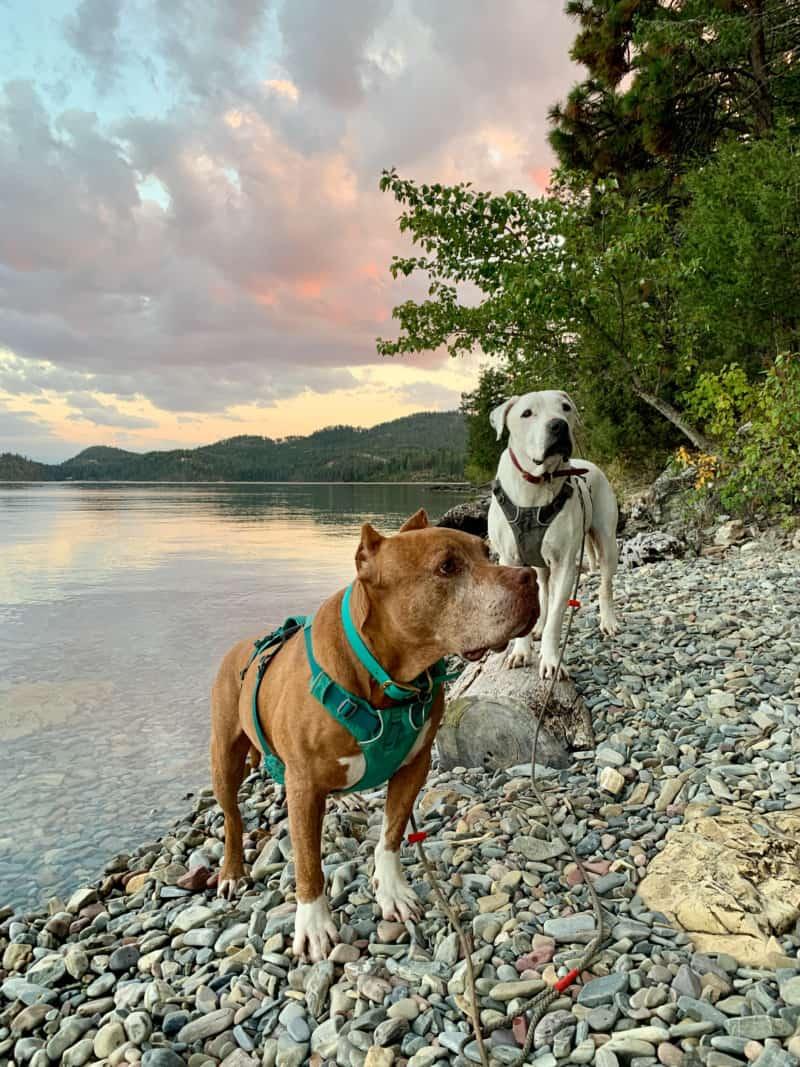
Practical Tips for Pet-Friendly Park Visits
- Research Park Regulations: Before heading out, ensure you understand the specific rules of the park you’re visiting. Many national parks have designated pet-friendly areas, while others may restrict access altogether. Knowing the regulations in advance helps prevent any last-minute surprises.
- Leash and Control: Always keep your pet on a leash and under control. This ensures their safety and minimizes disturbances to wildlife and other visitors. Opt for a sturdy, comfortable leash, ideally no longer than six feet, to maintain a secure connection.
- Pack Essentials: Bring plenty of water, a portable bowl, and pet waste bags. Staying hydrated is crucial, especially during warmer months. Cleaning up after your pet is not only courteous but often required by park rules.
- Respect Wildlife: Keep a safe distance from wildlife, as close encounters can be dangerous for both your pet and the animals. Encourage your pet to stay on marked trails to avoid disturbing natural habitats.
- Monitor Your Pet’s Health: Be mindful of your pet’s physical condition throughout the visit. Pay attention to signs of fatigue, overheating, or discomfort. Take breaks as needed and adjust your plans based on their energy levels.
By following these practical tips, you can enjoy a harmonious and responsible visit to national parks with your furry friend, ensuring a memorable experience for both of you while respecting the natural environment.
Crafting Policies: Balancing Access and Preservation
In the vibrant debate over allowing pets in national parks, the challenge lies in finding a harmonious balance between ensuring public access and preserving the delicate ecosystems that make these parks so special. Crafting policies that address the diverse needs of visitors while protecting wildlife and natural habitats requires a nuanced approach. Parks are a shared resource, and their enjoyment must be balanced with their conservation. Here are some key considerations:
- Environmental Impact: Assess the potential impact of pets on local wildlife and plant life. This includes evaluating risks such as the spread of diseases, disturbances to native species, and the introduction of invasive species.
- Visitor Experience: Consider how the presence of pets might enhance or detract from the experience of other visitors. While pets can offer companionship, they can also create noise or safety concerns for those seeking solitude and tranquility.
- Infrastructure and Resources: Evaluate the existing infrastructure to support pets, such as designated pet-friendly areas, waste disposal facilities, and educational resources to promote responsible pet ownership.
By engaging with stakeholders, including park staff, environmentalists, pet owners, and the general public, policies can be crafted that respect both the natural world and the diverse needs of park visitors. This collaborative approach not only fosters a culture of stewardship but also ensures that our national parks remain cherished sanctuaries for generations to come.
