

Choosing the right diet for our beloved pets is a decision that goes beyond mere preference; it reflects our commitment to their health and happiness. In recent years, the debate between grain and nutrition/” title=”Grain-Free Goodness: The Perks of Pet Nutrition”>grain-free pet foods has gained momentum, leaving many pet owners uncertain about the best choice for their furry companions. This article aims to provide clarity by exploring the key insights into both dietary options. With a warm, instructive approach, we will delve into the nutritional benefits, potential concerns, and expert recommendations to help you make informed choices that align with your pet’s unique needs. Whether you’re a seasoned pet owner or new to the world of pet nutrition, this guide is designed to equip you with the knowledge necessary to ensure your pet’s diet supports their overall well-being.
Understanding Your Pets Nutritional Needs
When it comes to selecting the right food for your furry friend, understanding the difference between grain and grain-free options is essential. Both choices have their unique benefits and potential drawbacks, and knowing these can help you make an informed decision. Grain-based pet foods typically contain ingredients like rice, corn, and wheat, which can be a great source of energy and fiber. They are often more affordable and can provide a balanced diet if your pet doesn’t have any grain sensitivities. However, for pets with allergies or intolerances, grain-free options may be the way to go. These diets often include alternative carbohydrate sources such as sweet potatoes, lentils, or peas, aiming to offer a more protein-rich meal.
Key considerations when choosing the right diet for your pet:
- Allergies and Sensitivities: Monitor your pet for any signs of food allergies, such as itching, digestive upset, or ear infections, and consult with a vet if you suspect grain-related issues.
- Age and Activity Level: Younger, more active pets may benefit from the higher energy content in grain-based diets, while older or less active pets might thrive on the higher protein content of grain-free options.
- Nutritional Balance: Ensure the food provides all essential nutrients by checking for AAFCO (Association of American Feed Control Officials) approval, regardless of whether it contains grains or not.
The Benefits and Drawbacks of Grain Ingredients
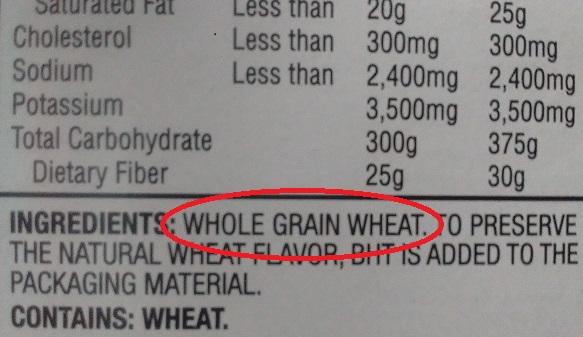
Grain ingredients in pet food offer a myriad of benefits that cater to both nutritional needs and dietary preferences. Whole grains such as brown rice, oats, and barley are rich in essential nutrients like fiber, vitamins, and minerals. These components aid in digestion, help maintain a healthy weight, and provide sustained energy for your furry companions. Moreover, grains can be a cost-effective source of protein and carbohydrates, supporting balanced nutrition without breaking the bank.
However, there are also potential drawbacks to consider. Some pets may experience allergies or sensitivities to certain grains, leading to digestive issues or skin irritations. It’s crucial to be mindful of your pet’s specific needs and reactions. Additionally, grain by-products can sometimes be used as fillers in lower-quality foods, which may dilute nutritional value. Always opt for high-quality, clearly labeled ingredients to ensure your pet receives the best possible nutrition.
- Pros: Nutrient-rich, cost-effective, supports digestion
- Cons: Possible allergies, risk of fillers in low-quality foods

Exploring the Health Implications of Grain-Free Diets
When considering a grain-free diet for your pets, it’s essential to delve into the potential health implications it might entail. While some pet owners advocate for grain-free options due to perceived benefits such as improved digestion and a shinier coat, it’s crucial to weigh these against potential risks. Recent studies have raised concerns about a potential link between grain-free diets and dilated cardiomyopathy (DCM), a serious heart condition in dogs. Although research is ongoing, it’s important to discuss any dietary changes with your veterinarian to ensure your pet’s nutritional needs are being met.
When evaluating the pros and cons of grain-free diets, consider these key factors:
- Nutritional Balance: Ensure the diet provides a complete balance of proteins, fats, vitamins, and minerals.
- Allergies: Some pets may benefit from grain-free diets if they have specific grain allergies.
- Energy Levels: Monitor your pet’s energy and activity levels to gauge how well they are adjusting to the diet.
- Veterinary Guidance: Always consult with a veterinarian before making significant dietary changes.
Ultimately, understanding the health implications and discussing them with a professional will help you make informed decisions about your pet’s diet, ensuring their health and happiness for years to come.
Choosing the Right Diet for Your Pets Unique Lifestyle
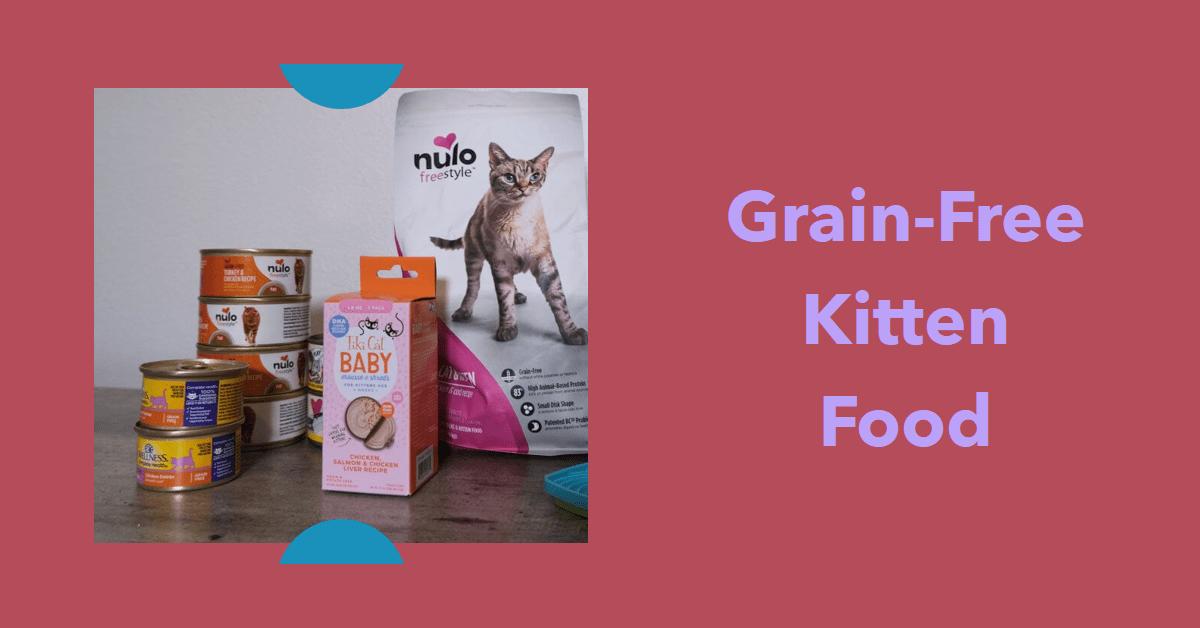
When it comes to selecting the best nutrition plan for your furry friend, it’s essential to consider their unique lifestyle and health needs. Both grain and grain-free diets have their advantages, but the right choice depends on several factors. Grain-inclusive diets often contain ingredients like rice, oats, and barley, which can be a great source of carbohydrates and provide energy for active pets. They also contain fiber, which can aid in digestion. On the other hand, grain-free diets are typically formulated for pets with specific dietary sensitivities or allergies. These diets often substitute grains with alternative carbohydrate sources like sweet potatoes or peas.
- Activity Level: Active pets might benefit from the sustained energy that grains provide.
- Allergies and Sensitivities: Pets with grain allergies might thrive on grain-free diets.
- Veterinary Advice: Always consult with your veterinarian to tailor a diet plan that aligns with your pet’s health needs.
Understanding your pet’s unique lifestyle, including their energy levels and any health conditions, is key to making an informed decision. Remember, the ultimate goal is to ensure your pet receives a balanced diet that supports their well-being and happiness.
