
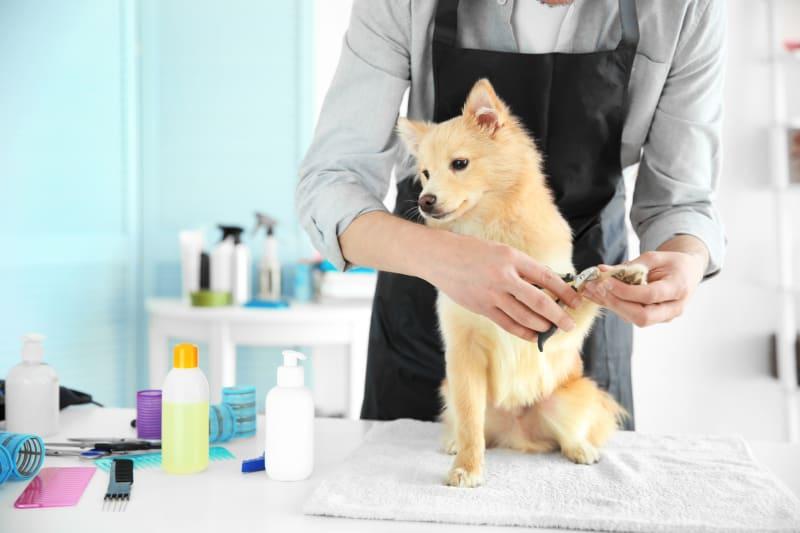
When welcoming a new canine companion into your home, understanding their grooming needs is a vital part of ensuring their health and happiness. Just like humans, dogs come in all shapes, sizes, and personalities, each with unique requirements for care. While some breeds might only need a quick brush here and there, others demand more extensive grooming routines to keep their coats healthy and tangle-free. In this article, we will explore the varying grooming needs across different breeds, helping you make informed decisions and cultivate a nurturing environment for your furry friend. Whether you’re a seasoned pet owner or a first-time dog parent, gaining insight into your pet’s grooming necessities will not only enhance their well-being but also strengthen the bond you share. Let’s embark on this journey to better understand how tailored grooming practices can lead to a happier, healthier pet.
Understanding Your Dogs Coat: The Foundation of Grooming
At the heart of your dog’s grooming routine is understanding its unique coat. Each breed has its own specific needs, and recognizing these can transform grooming from a chore into a bonding experience. The texture, length, and density of your dog’s fur can influence how often and what type of grooming they require. For instance, breeds with double coats like Huskies and Golden Retrievers need regular brushing to manage shedding and prevent matting, while short-haired breeds such as Beagles might only need occasional grooming to maintain their sleek appearance.
- Curly Coats: Poodles and Bichon Frises often need frequent trims and daily brushing to prevent tangles.
- Wire Coats: Terriers benefit from hand-stripping to maintain their characteristic texture and reduce shedding.
- Long Coats: Breeds like Shih Tzus and Yorkshire Terriers require regular trimming and detangling to keep their coats manageable and healthy.
Understanding these nuances not only ensures your pet looks their best but also keeps their skin healthy and their fur free of debris and parasites. With the right knowledge, grooming becomes an enjoyable routine that strengthens the bond between you and your furry companion.
Tailoring Grooming Routines: Breeds That Demand Extra Attention
When it comes to grooming, some dog breeds require a bit more time and dedication due to their unique coats, skin types, or even temperaments. Long-haired breeds such as the Afghan Hound or the Shih Tzu often demand regular brushing to prevent tangles and mats, while double-coated breeds like the Siberian Husky or the Golden Retriever need seasonal shedding control. These breeds benefit from consistent grooming routines to maintain healthy fur and skin.
- Poodles and Doodles: Their curly coats need frequent trims and detangling to avoid painful matting.
- Brachycephalic breeds: Bulldogs and Pugs require special care around their facial folds to prevent irritation and infection.
- Spaniels: With their luscious ears, they are prone to ear infections and need regular cleaning.
Understanding the specific grooming needs of your pet can not only keep them looking their best but also ensure their comfort and health. Tailoring your grooming routine to fit the needs of your particular breed can make a world of difference.
Tools of the Trade: Must-Have Grooming Supplies for Different Breeds
When it comes to grooming, the right tools can make all the difference in maintaining a happy and healthy pet. Each breed comes with its own set of unique needs, and having the appropriate supplies on hand can ensure you’re prepared for any grooming challenge. For breeds with dense undercoats like Huskies or Malamutes, deshedding tools are essential to manage their seasonal shedding and keep their coat in top condition. In contrast, breeds with long, flowing coats such as Afghan Hounds or Shih Tzus benefit greatly from a high-quality slicker brush to prevent tangles and mats.
- Short-haired breeds: A simple rubber curry brush works wonders to remove loose hair and stimulate the skin.
- Wire-haired breeds: Stripping knives are indispensable for maintaining their characteristic texture without damaging the coat.
- Poodles and other curly-haired breeds: A pin brush and grooming scissors are must-haves to keep their coat fluffy and neat.
Don’t forget the importance of nail clippers and ear cleaning solutions, which are universal necessities for every breed. Tailoring your grooming kit to your dog’s specific needs not only makes the grooming process smoother but also strengthens the bond between you and your furry friend.

Expert Tips for Stress-Free Grooming Sessions
To ensure a peaceful grooming experience, it’s important to understand the specific needs of your pet’s breed. Each breed comes with its own set of grooming challenges and requirements. Here are some expert tips to keep in mind:
- Research Breed-Specific Needs: Before you begin, educate yourself on the typical grooming requirements for your pet’s breed. Some breeds, like Poodles and Bichon Frises, need regular trims and styling, while others, such as Labrador Retrievers, may require less frequent grooming but need regular de-shedding.
- Use the Right Tools: Invest in grooming tools that are suited to your pet’s coat type. A slicker brush may be ideal for long-haired breeds, while a rubber curry brush works wonders on short-haired dogs.
- Set a Routine: Establishing a regular grooming schedule can help reduce anxiety for both you and your pet. Consistency helps your pet become accustomed to the process, making each session smoother.
By tailoring your approach to the specific needs of your pet’s breed, you can make grooming a stress-free and even enjoyable part of your pet care routine.
